Watershed Education
First, are six articles from the Michigan State University Extension Introduction to Lakes Online Course written by Board Liaison and Committee Member, David Bloom.
The content and images are included here with permission.
(If you have interest in taking any of the great MSU-E programs, check here: https://www.canr.msu.edu/cls/)
Table of Contents
Part One - Introduction to Lake Ecology
Part Two - Lakes and Their Watersheds
PART ONE - INTRODUCTION TO LAKE ECOLOGY
There are approximately 11,000 inland lakes over five acres in size within our great state. These are home to 129 species of fish native to Michigan. The health and sustainability of our lakes is vital not only to the environment, but to the Michigan economy as well, as 2.4 billion dollars are spent on fishing-related activities each year.
Lake ecosystems are a delicate balance between the physical, chemical, and biological properties of each lake.
- Physical attributes such as light penetration, depth, and bathymetry (underwater topography) all play important roles in the health of our lakes.
- Water clarity, which provides information about light penetration, is measured with a device known as a Secchi disk.
- Chemical properties such as the amount of nitrogen and phosphorus are also key contributors to a lake’s overall health.
- Biological aspects relate to the types of aquatic life we encounter (both what we can see and what is beyond the resolution of the naked eye).
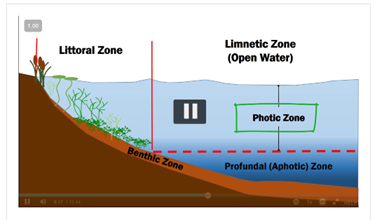
A lake can be divided into a maximum of five zones – and these definitions help us understand a lake’s ecosystem
- The littoral zone of a lake is closest to shore, shallow and slopes down to the point where aquatic plants can survive.
- This transitions to the limnetic zone or open water, which – depending on light penetration – is divided into photic zone (where photosynthesis occurs) and deeper aphotic zones (where sunlight is insufficient for photosynthesis).
- The benthic zone is the sedimentary layer of the lake and is at the base of both the littoral and limnetic zones.
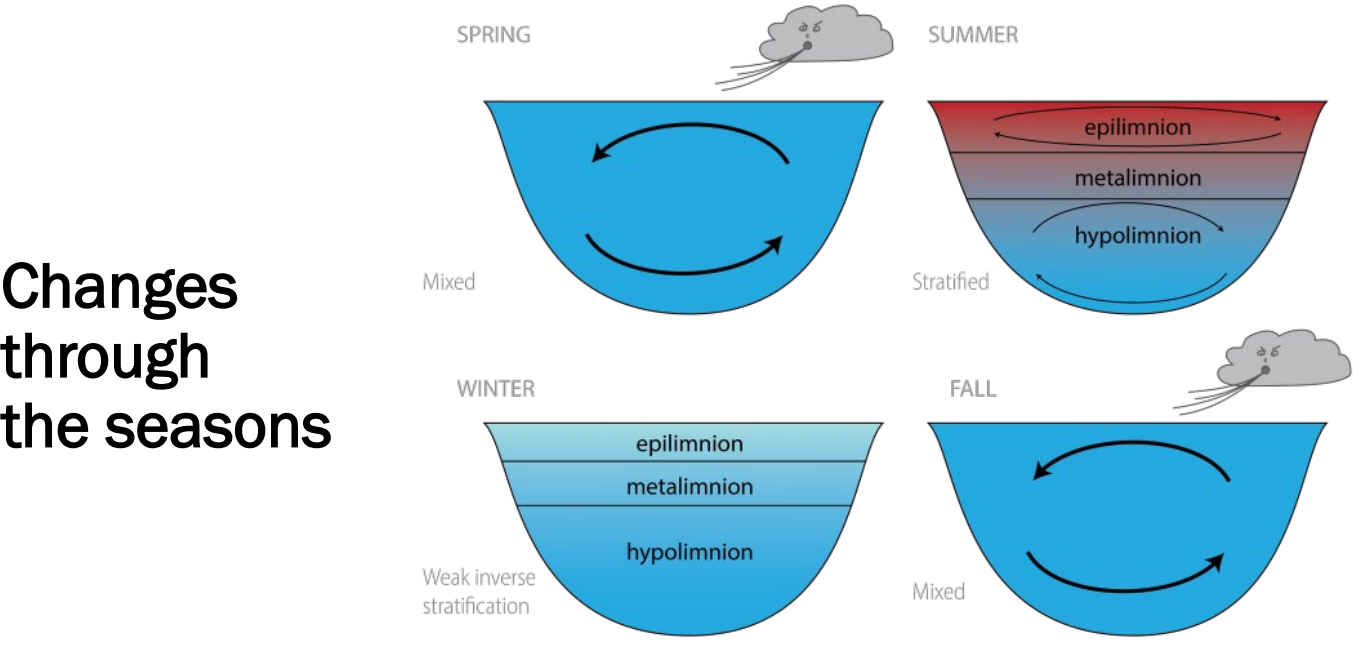
Thermal stratification is the division of the lake into vertical zones by temperature:
- Epilimnion zone – closest to the surface and the warmest
- Metalimnion zone – where there is the greatest temperature gradient drop
- Hypolimnion zone – is at the bottom of the lake and is the coldest.
During spring and fall, the three layers mix and allow distribution of oxygen throughout the water, and in winter the stratification reverses so that the coldest water is at the top. This oxygenation cycle helps maintain the fish populations.
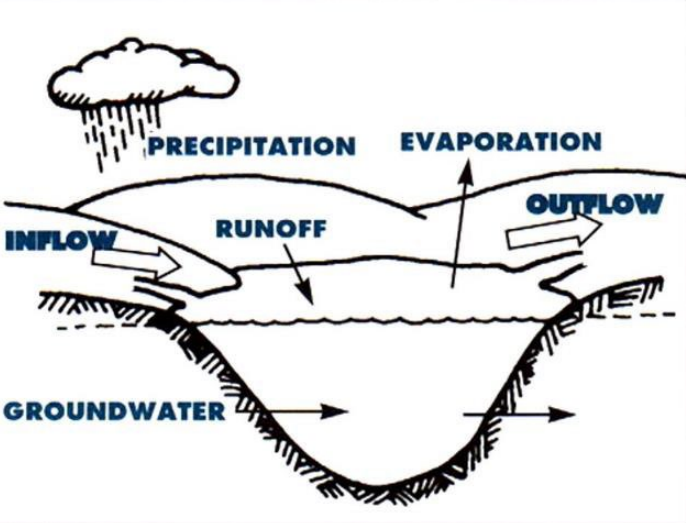
Lakes have three main water sources:
precipitation, runoff (from the surrounding watershed), and groundwater. The geology of the surrounding land and lakeshore can impact the lake’s ability to resist pollution and invasive species. For example, Zebra mussels need calcium to build their shells and survive, with some lakeshores having more sedimentary rock such as limestone leaching calcium into the water, which allows for the Zebra mussel to thrive.
Eutrophication is one more important concept to understand
- This is the over-enrichment of water by nutrients, mostly nitrogen and phosphorus, which increases algal blooms and oxygen depletion. Eventually one can have aquatic dead zones.
- These nutrients lead to increased algae and when they die, they sink to the bottom of the lake where bacteria decompose the algae. This process uses substantial amounts of oxygen, leaving less fish to survive.
- Low oxygen concentration, in turn, allows uncoupling of phosphorus from iron, leading to increased phosphorus concentration, and a vicious cycle of increased algae blooms.
- Cultural eutrophication is the human impact on the lake, which occurs much faster than natural eutrophication. Agricultural runoff, fertilizer use, and sewage are examples of cultural eutrophication and leads to killing of aquatic life, reduced biodiversity, and decreased water quality.
Knowing these basic concepts allows us to have a better understanding of how to promote lake health and water quality.
PART TWO - LAKES AND THEIR WATERSHEDS
Introduction to the Hydrologic Cycle
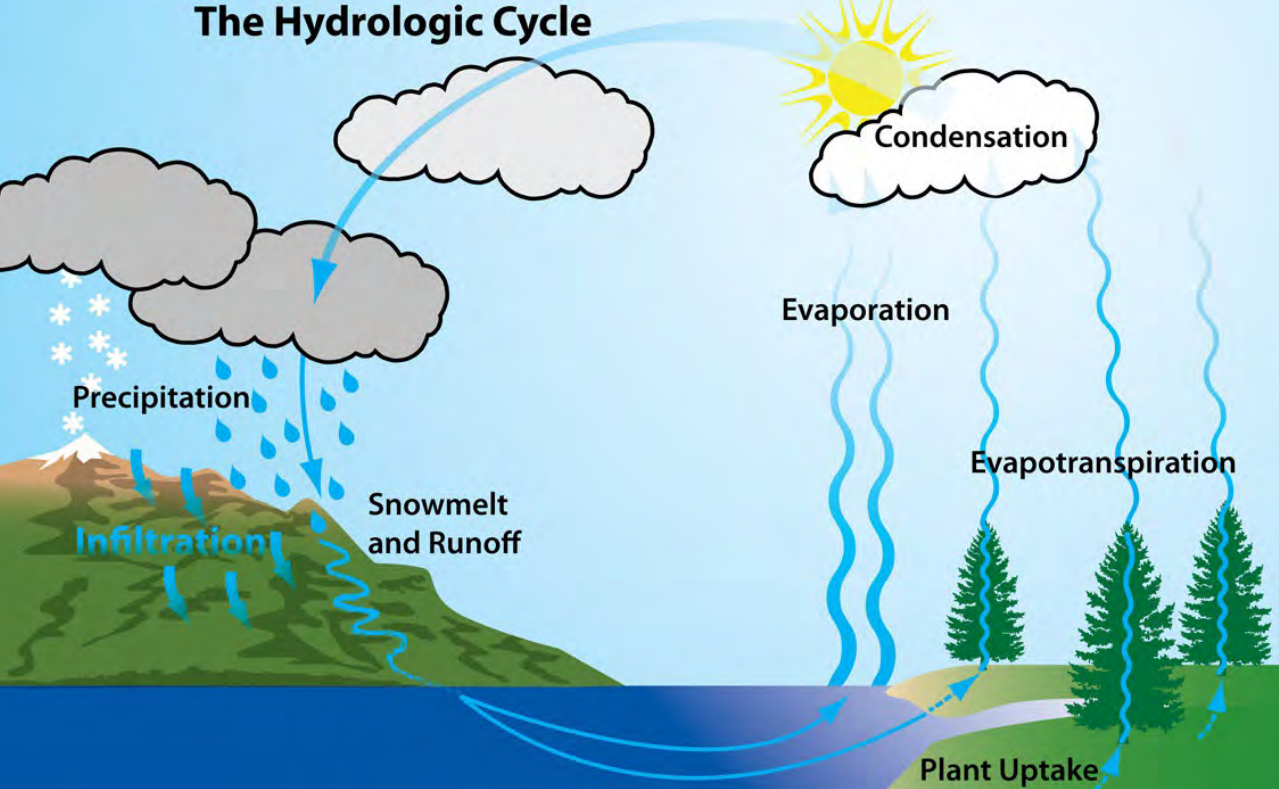
A watershed's function is best understood through the water cycle.
Key processes:
- Precipitation/Snowmelt: Water falling onto the land surface.
- Runoff: Water flowing over the land surface into bodies of water.
- Infiltration: Water seeping into the ground.
- Evaporation/Evapotranspiration: Water returning to the atmosphere from water bodies and plants.
What is a Watershed?
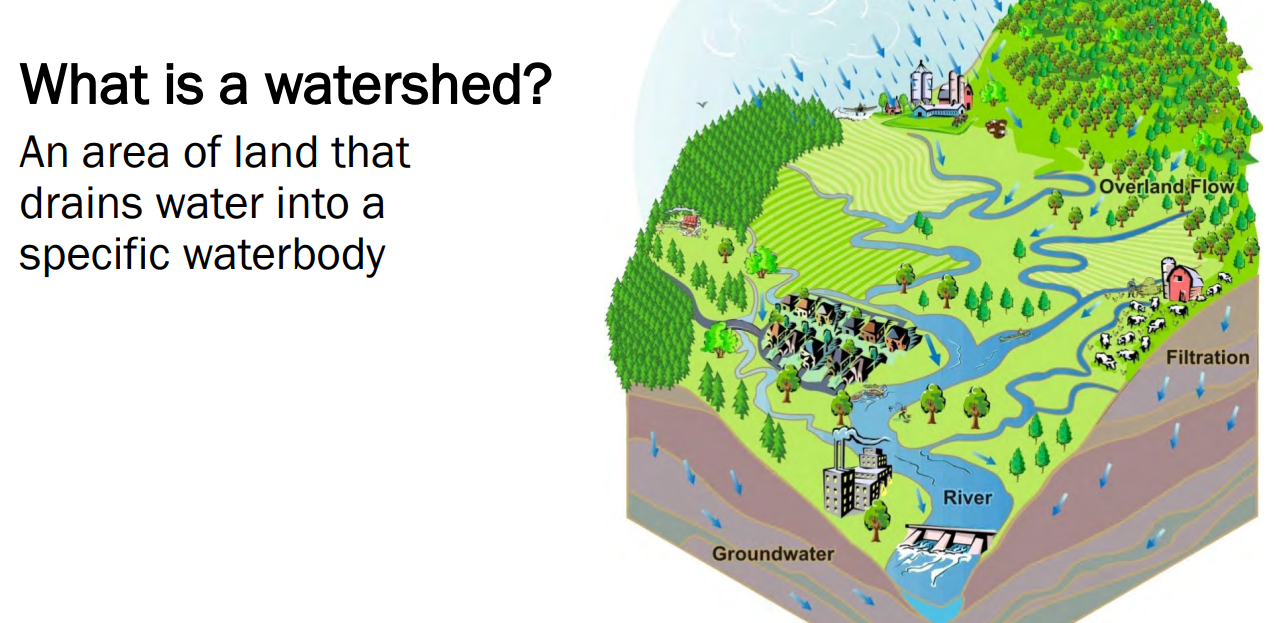
A watershed is an entire area of land that drains water into a common water body. No matter where you stand, you are in a watershed! Smaller watersheds, like those draining to specific tributaries, combine to form larger ones, such as the entire Great Lakes Watershed!
Hydrologic Features of Watersheds
Water moves through several connected landscape features within a watershed:
- Streams and rivers
- Floodplains
- Groundwater systems
- Contiguous lakes/impoundments
- Wetlands
Wetlands
Wetlands provide crucial ecosystem services that help maintain the health of lakes:
- Fish and wildlife habitat.
- Natural water quality improvement/filtration.
- Flood storage.
- Shoreline erosion protection.
- Carbon sequestration and storage.
- Recreation opportunities.
Water Quality and Human Impact
Lakes Reflect Their Watershed
The physical, chemical, and biological properties of inland lakes are directly influenced by the activities and landscape of their surrounding watershed. Human activity can introduce stress on a lake, ultimately leading to adverse water quality impacts.
Water Quality and Designated Uses
- Designated uses include agriculture, industrial water supply, public water supply, navigation, total and partial body contact recreation, other indigenous aquatic life and wildlife, fish consumption, warmwater fishery and cold-water fishery.
- Each use is evaluated for safety and if not (e.g. high E. coli and swimming / partial body contact), then it is labelled an impaired water body for that designated use.
Point Source vs. Nonpoint Source Pollution
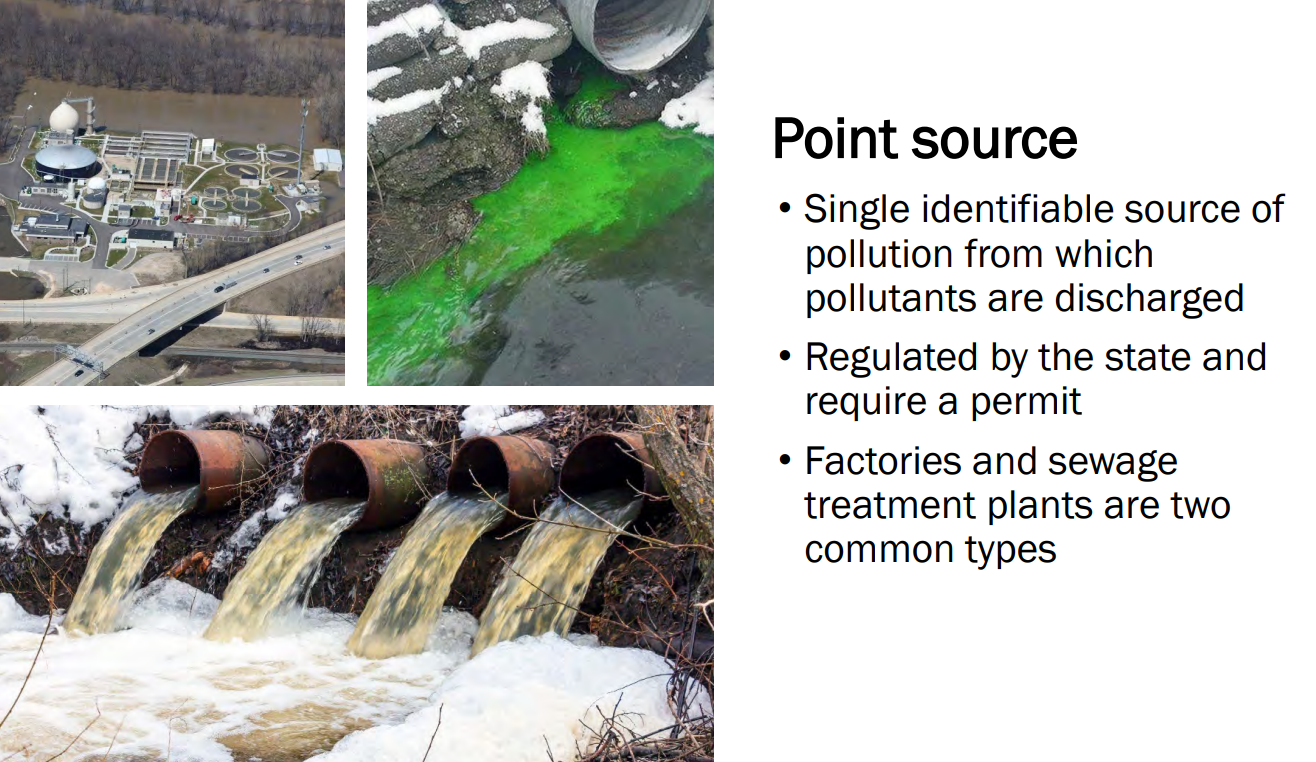
- Point source pollution comes from a single, identifiable source, such as a factory or a sewage treatment plant pipe. These sources are regulated and require permits.
Many communities (like ours) have storm drains that collect this water and drain it directly into lakes and rivers. Failing septic systems, of which an estimated 10% are failing in Michigan, contribute to elevated levels of nitrogen, phosphorus, and bacteria.
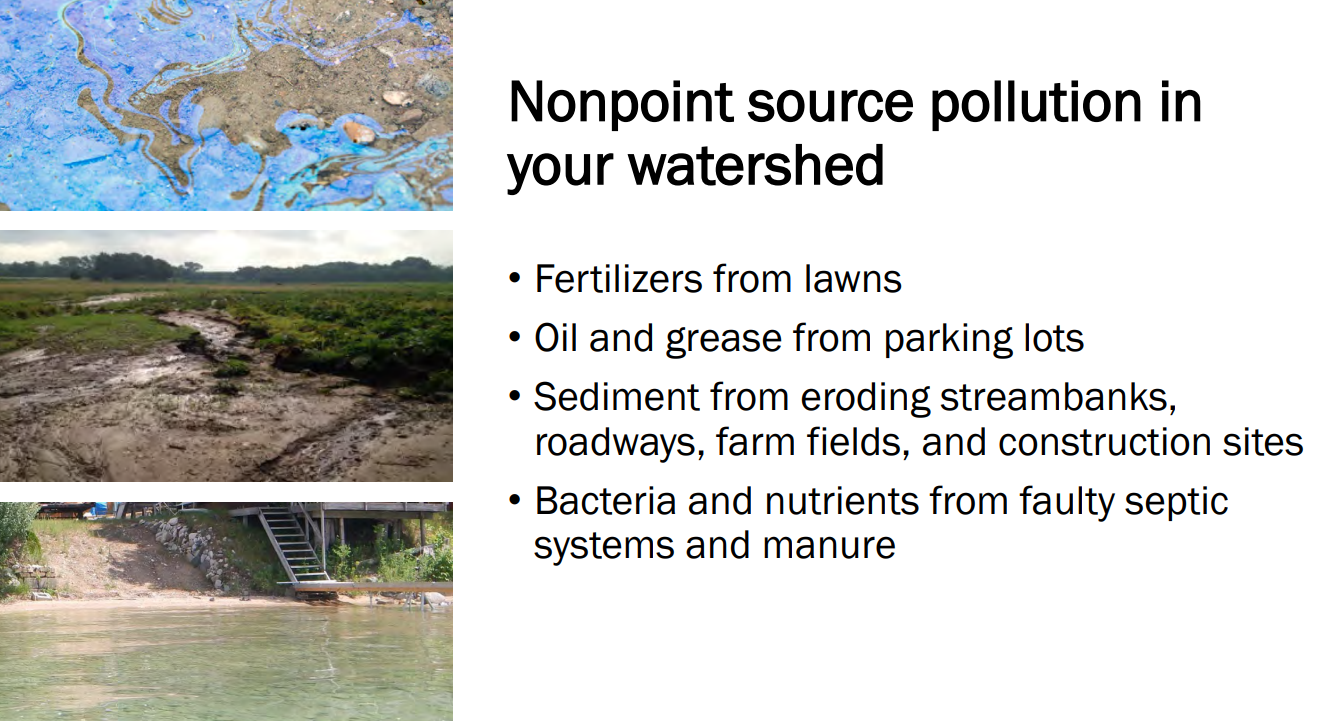
- Nonpoint source (NPS) pollution comes from many diffuse sources and is caused by rainfall or snowmelt runoff. It is generally not regulated and is difficult to manage. The EPA states that NPS pollution is a leading cause of water quality problems.
Examples of Nonpoint Source Pollution
Runoff carries various pollutants into waterways:
- Fertilizers can introduce excess nutrients.
- Oil and grease don’t mix with water!
- Sediment
- Bacteria and nutrients
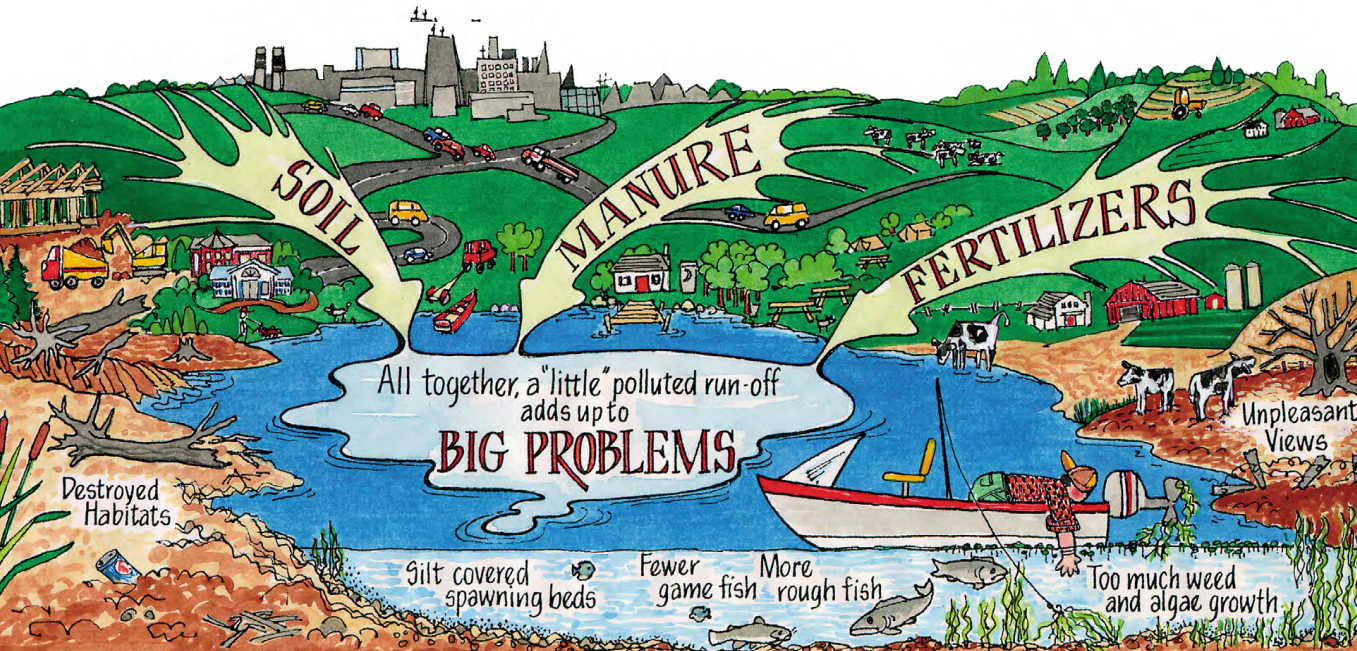
Nonpoint source pollution is particularly difficult to manage because it comes from everyday activities spread across the entire watershed, with storm drains often collecting this runoff and sending it directly into lakes and rivers.
Impact of Land Cover
Land cover significantly affects runoff rates. Replacing natural ground cover by impervious surfaces – like pavement and rooftops due to development – increases the volume and speed of runoff dramatically. This increased, rapid runoff picks up more pollutants and causes greater water quality issues compared to natural, vegetated landscapes that allow for more infiltration.
The state’s Nonpoint Source Program aims to restore impaired waterbodies and protect high quality waters through technical assistance, grants, and public education.
Point Source vs. Nonpoint Source Pollution
The primary difference lies in how easily the pollution origin can be identified and regulated.
Feature Point Source Nonpoint Source
Source Type Single, identifiable source Many diffuse sources
Regulation Regulated by the state; requires a permit Not regulated
Cause Direct discharge (e.g. pipe) Caused by rainfall or snowmelt runoff
Examples Factories, sewage treatment plants Fertilizers from lawns, oil/grease
from lots, sediment, failing septic systems
Wetland Loss
Wetlands play a vital role in water quality improvement, flood storage, and erosion protection. The functions of a wetland depend on complex relationships within the entire watershed ecosystem, highlighting how changes in one area affect the whole system.
Watershed planning
The Michigan Department of Environment, Great Lakes and Energy (EGLE) runs the Nonpoint Source program and provides technical assistance, public education, and grants to address water quality concerns. Shoreline surveys are used to assess shoreline erosion and severity, seawalls and shoreline vegetation, all important to a lake’s ecosystem and health.
The watershed planning process includes finding sources and causes of pollution, prioritizing restoration areas, and identifying high-quality areas for protection. Watershed plans are developed in partnership with lake associations, landowners, farmers, municipalities and state and local agencies. A best management practice is a technique used to prevent, control, or treat nonpoint source pollutants such as stormwater runoff.
PART THREE - NATURAL SHORELINE AND LAKE HEALTH
The health of our freshwater ecosystems depends heavily on the thin strip of land where the water meets the shore. Here we explore the critical role of shorelines, the impacts of traditional development, and how we can adopt a more balanced approach to lakeside living.
The Shoreline: A Vital Transition Zone
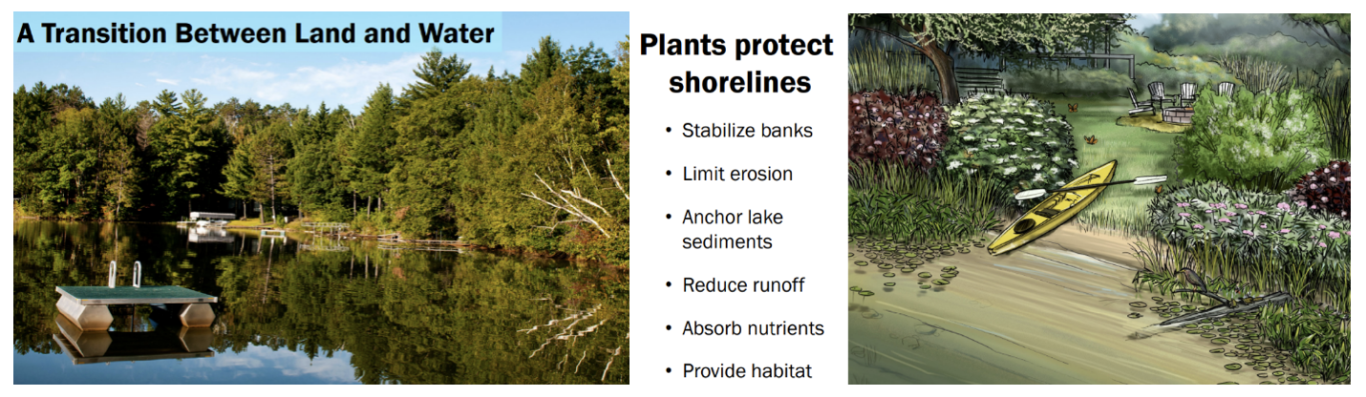
The area where land and water converge is far more than just a boundary; it is a complex transition zone encompassing the upland, wetland, and aquatic environments. The shoreline is essential for several reasons:
- Water Quality Protection: Natural shorelines act as a filter, absorbing nutrients like phosphorus and trapping sediments before they reach the open water.
- Erosion Control: The deep, complex root systems of native plants stabilize banks and anchor lake sediments, protecting the land from the constant energy of waves.
- Vital Habitat: This nearshore area is critical for biodiversity. In Michigan, for example, every fish species utilizes the shallow nearshore area at some point in its life cycle. It also provides essential nesting, feeding, and travel corridors for birds, frogs, and other wildlife.
The Challenge of Shoreline Development
As the demand for waterfront property grows, the natural character of our lakes is rapidly changing. In southern Michigan, approximately 70% of lakes are now considered intensely developed. Traditional landscaping—characterized by manicured lawns extending to the water’s edge, paved driveways, and hardened shorelines such as seawalls have profound negative impacts on lake health.
The Impact of Lawns and Pavement
While a lush green lawn may be desirable, it offers little to a lake ecosystem:
- Increased Runoff: Unlike natural vegetation, turf grass and pavement cannot absorb heavy rainfall. This leads to increased runoffs that carry pollutants directly into the lake.
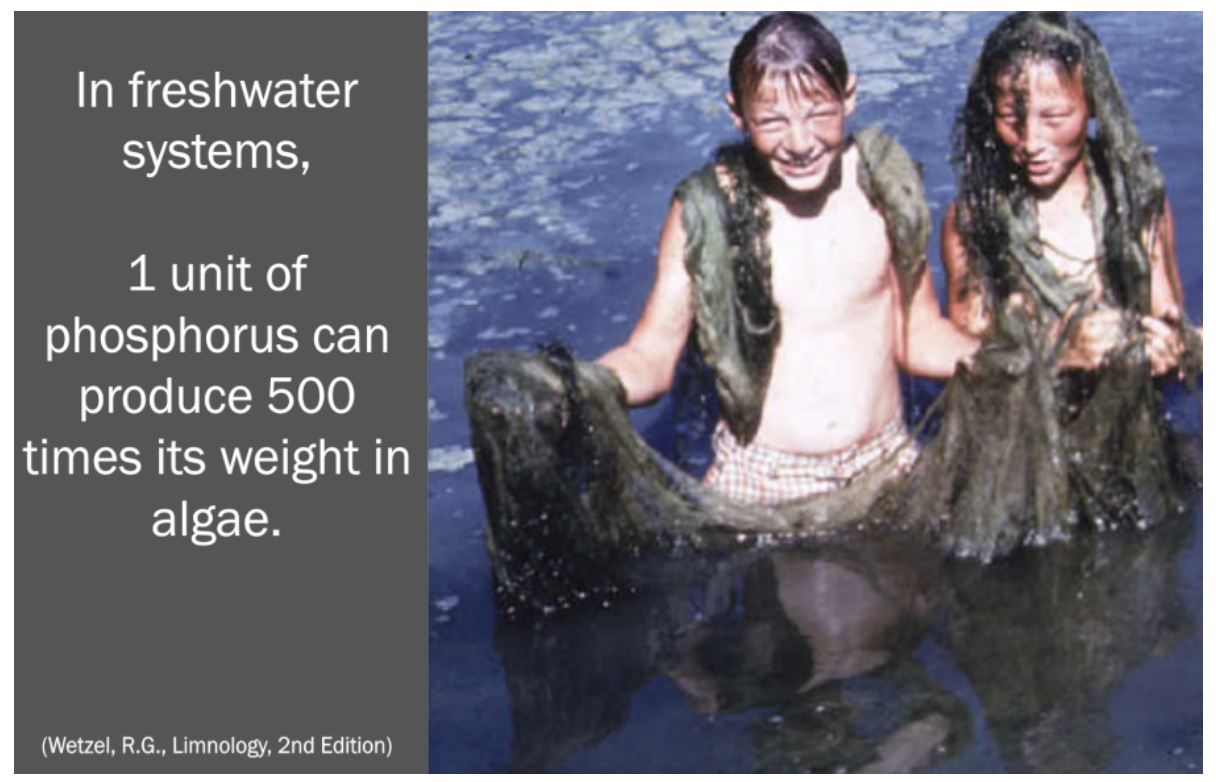
- Nutrient Overload: Phosphorus is a primary concern. In freshwater systems, just one unit of phosphorus can fuel the growth of 500 times its weight in algae. This can lead to murky water, odor problems, and depleted oxygen levels.
- Erosion and Weak Roots: Lawn grass has very shallow, weak roots. It cannot withstand the scouring energy of waves, leading to bank collapse and the need for expensive, often counterproductive, reinforcements.
- Nuisance Wildlife: Short, mowed grass is highly attractive to Canada geese, which can lead to further water quality issues and property maintenance headaches.
The Hidden Cost of "Hardening" the Shore
To combat erosion, many landowners install seawalls or other hard structures. While they may seem like a permanent solution, they can negatively affect the lake ecosystem:
- Reflected Energy: Seawalls do not absorb wave energy; they reflect it. This energy then scours the lake bottom, suspending sediment and destroying the habitat for fish and plants.
- Wildlife Barriers: These vertical walls create a physical disconnect, preventing turtles, frogs, and other small animals from moving between the water and the land.
Observing the Decline: What the Data Shows
Studies comparing developed and undeveloped shorelines reveal startling differences in biodiversity:
- Plant Life: Developed shorelines see a significant decrease in floating and submergent aquatic plants, as well as native trees and shrubs.
- Wildlife Declines: As development density increases, there is a measurable decrease in the number of certain frog species and uncommon bird species. Even fish, such as Bluegill, can experience slower growth rates in highly developed environments.
- Shoreline erosion protection.
- Carbon sequestration and storage.
- Recreation opportunities.
Water Quality and Human Impact
Lakes Reflect Their Watershed
The physical, chemical, and biological properties of inland lakes are directly influenced by the activities and landscape of their surrounding watershed. Human activity can introduce stress on a lake, ultimately leading to adverse water quality impacts.
Water Quality and Designated Uses
- Designated uses include agriculture, industrial water supply, public water supply, navigation, total and partial body contact recreation, other indigenous aquatic life and wildlife, fish consumption, warmwater fishery and cold-water fishery.
- Each use is evaluated for safety and if not (e.g. high E. coli and swimming / partial body contact), then it is labelled an impaired water body for that designated use.
Point Source vs. Nonpoint Source Pollution
- Point source pollution comes from a single, identifiable source, such as a factory or a sewage treatment plant pipe. These sources are regulated and require permits.
Many communities (like ours) have storm drains that collect this water and drain it directly into lakes and rivers. Failing septic systems, of which an estimated 10% are failing in Michigan, contribute to elevated levels of nitrogen, phosphorus, and bacteria.
- Nonpoint source (NPS) pollution comes from many diffuse sources and is caused by rainfall or snowmelt runoff. It is generally not regulated and is difficult to manage. The EPA states that NPS pollution is a leading cause of water quality problems.
Examples of Nonpoint Source Pollution
Runoff carries various pollutants into waterways:
- Fertilizers can introduce excess nutrients.
- Oil and grease don’t mix with water!
- Sediment
- Bacteria and nutrients
Nonpoint source pollution is particularly difficult to manage because it comes from everyday activities spread across the entire watershed, with storm drains often collecting this runoff and sending it directly into lakes and rivers.
A Path Forward: Balanced Lakescaping
Protecting a lake does not mean you cannot enjoy your property. Instead, it requires a balanced approach that mimics the natural functions of the shoreline while still allowing for human use.
The Two Primary Approaches
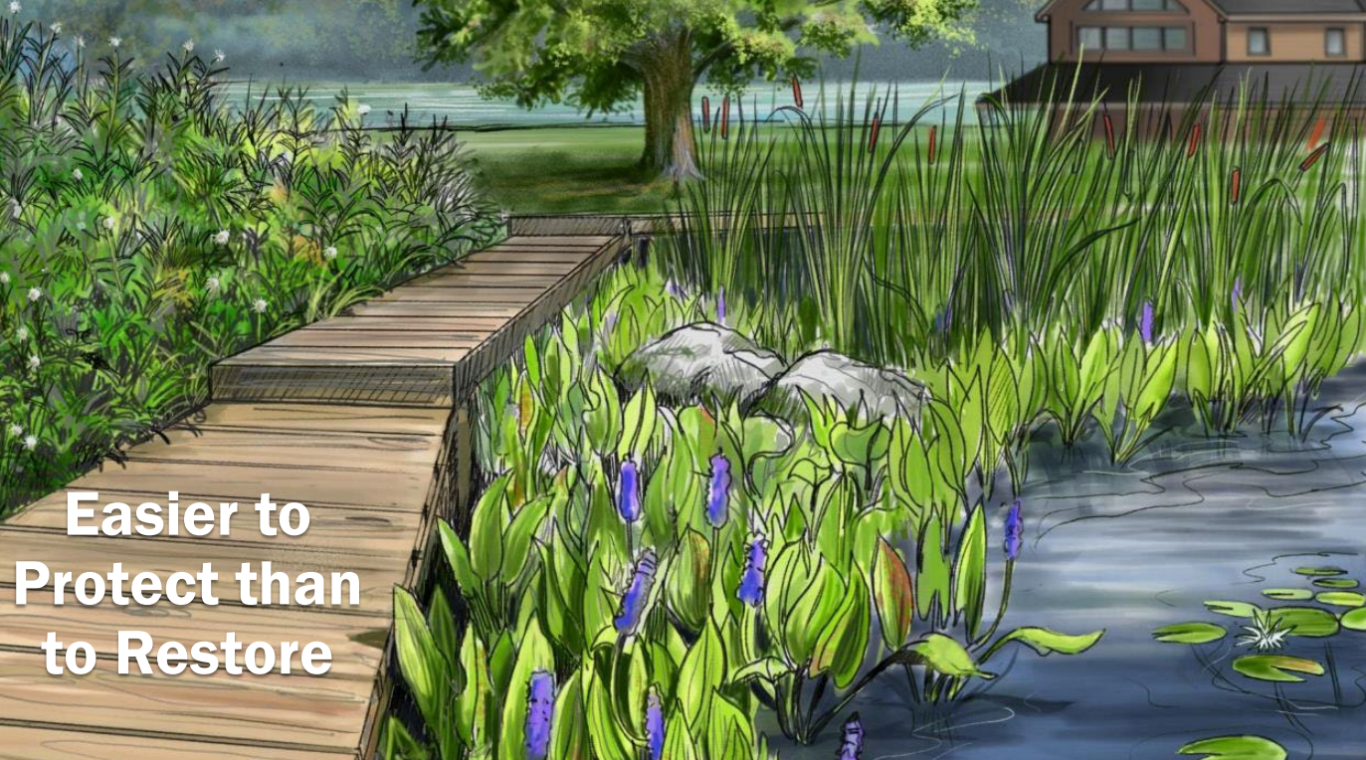
- Preserve What You Have: If your shoreline still has native trees, shrubs, and wildflowers, the best and most cost-effective strategy is simply to keep them.
- Restore What Is Missing: If the natural vegetation has been removed, you can begin to add it back through intentional planting and bioengineering.
The Power of Native Plants
Native plants are the backbone of a healthy shoreline. They offer numerous advantages over non-native ornamental species:
- Low Maintenance: Once established, they require less water and no fertilizer because they are adapted to the local soil and climate.
- Superior Stability: Their extensive root systems (often several feet deep) provide the best possible protection against erosion.
- Ecological Linkages: They are the foundation of the local food web, providing the specific food and shelter that native insects, birds, and fish need to survive.
Designing Your Buffer Zone
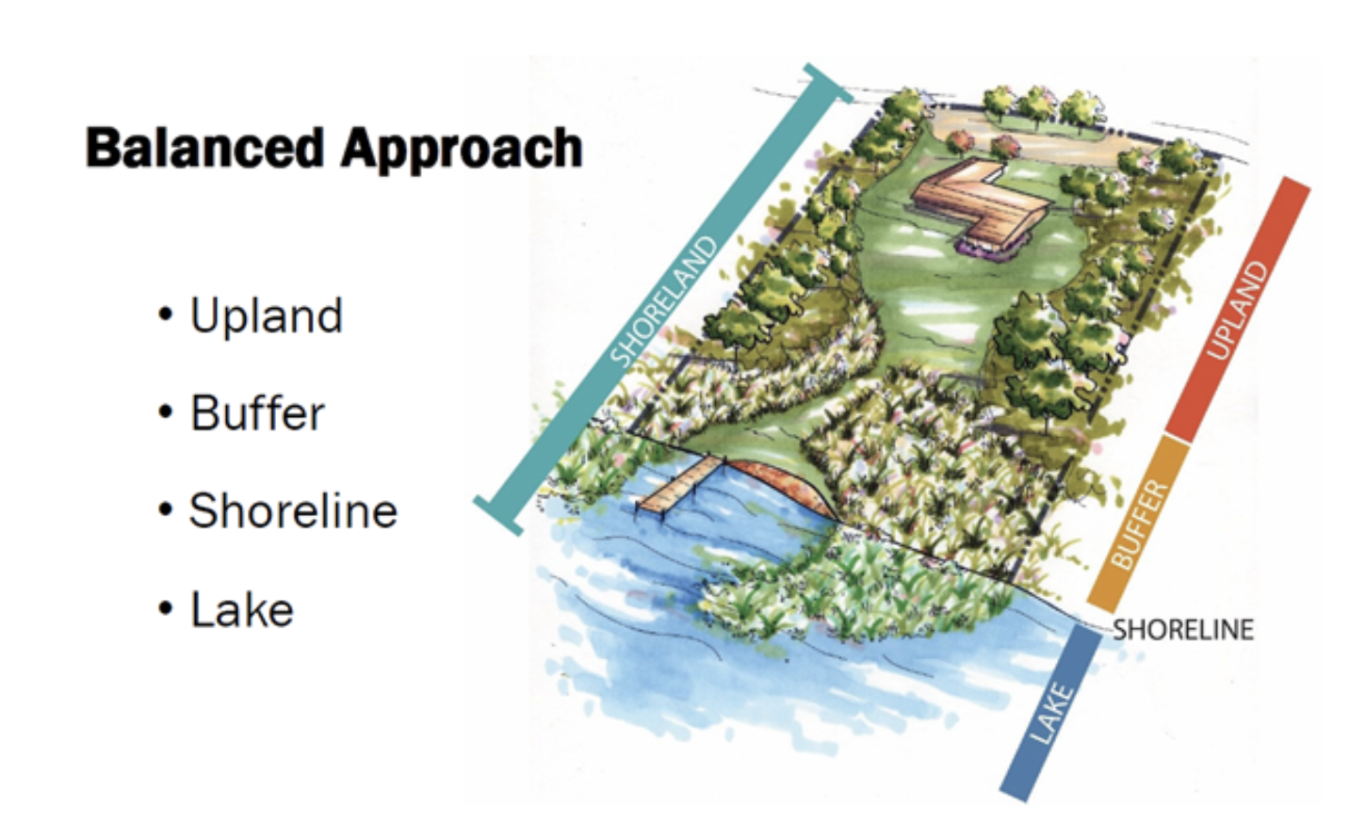
A buffer zone is a strip of native vegetation between the maintained upland (your house and lawn) and the water. When choosing plants for this zone, consider the local conditions:
- Water Depth and Flooding: Select plants that can handle the specific moisture levels of your shore.
- Sun Exposure: Choose species that thrive in the amount of light your shoreline receives.
- Aesthetics: You can create a beautiful, "managed" look using a variety of flowering perennials, colorful shrubs, and graceful grasses that also provide privacy and wind protection.
Things we can all do to improve our lakes
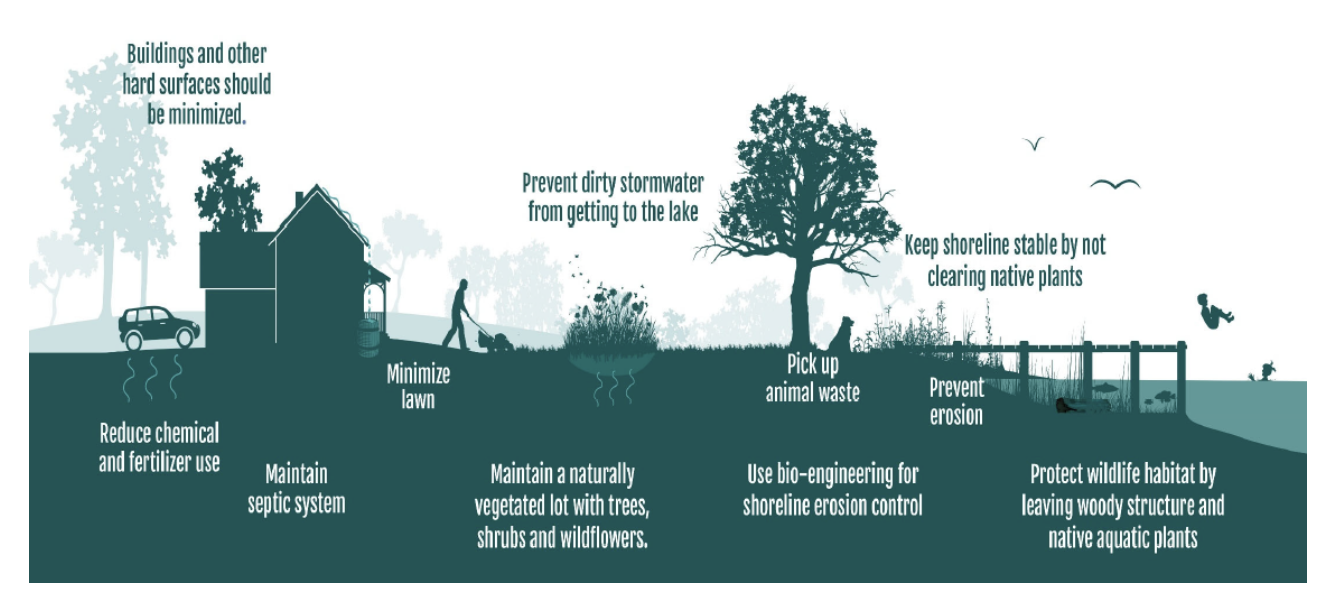
Conclusion: Sharing the Shore
Every shoreline property is a piece of a much larger puzzle. By rethinking the "perfect" lawn and embracing a more natural, balanced approach, we can protect the water quality, beauty, and wildlife that make lakes living so special in the first place.
Note: The Michigan Natural Shoreline Partnership is a collaboration of state agencies, academia, nonprofit organizations and private industry. Their mission is to improve shoreline development practices in order to restore and preserve the ecological functions of shorelines, stabilize erosion and provide attractive options for lakefront property owners. Excellent resources here, including a link to Find Native Plant nurseries in our area! https://www.shorelinepartnership.org/
PART FOUR - GUIDE TO AQUATIC PLANTS AND LAKE MANAGEMENT
This is a BIG one… now, let’s explore the complex world of algae and plant communities! It’s not all weeds and it’s not seaweed…
We will cover their ecological importance, the different types of algae and rooted plants, and the critical distinction between beneficial native species and disruptive invasive ones.
The Ecological Importance of Aquatic Plants
Aquatic plants are often unfairly labeled as "weeds," but they are the biological foundation of a healthy lake. They perform several critical functions that maintain water quality and support biodiversity, including:
- Oxygen Production: Through photosynthesis, aquatic plants release dissolved oxygen into the water, which is vital for the survival of fish and other aquatic organisms.
- Substrate and Sediment Stabilization: The root systems of submerged and emergent plants act as a biological "fabric," anchoring bottom sediments. This prevents the water from becoming cloudy (turbid) due to wind or boat-driven waves.
- Shoreline Protection: By breaking the energy of incoming waves, plant communities along the water's edge reduce erosion and protect property.
- Habitat and Food Sources: Plants provide "nursery" areas for young fish, nesting sites for birds, and a primary food source for many lake-dwelling creatures.
- Nutrient Cycling: They absorb nutrients like phosphorus and nitrogen from the water and sediment, which helps limit the fuel available for excessive algal growth.
Understanding Algae and Cyanobacteria
Algae often have a bad reputation, however, they have essential roles in lake ecosystems! They are an important component of a healthy, well-managed lake ecosystem. They are at the base of the food web and provide food and oxygen for the entire ecosystem and its inhabitants. These non-rooted "plants" can be divided into several categories.
While some are beneficial, others pose significant health risks.
Microscopic planktonic algae float in the water column or attach to submerged rocks/plants, and they are necessary for a functioning ecosystem. That is good.
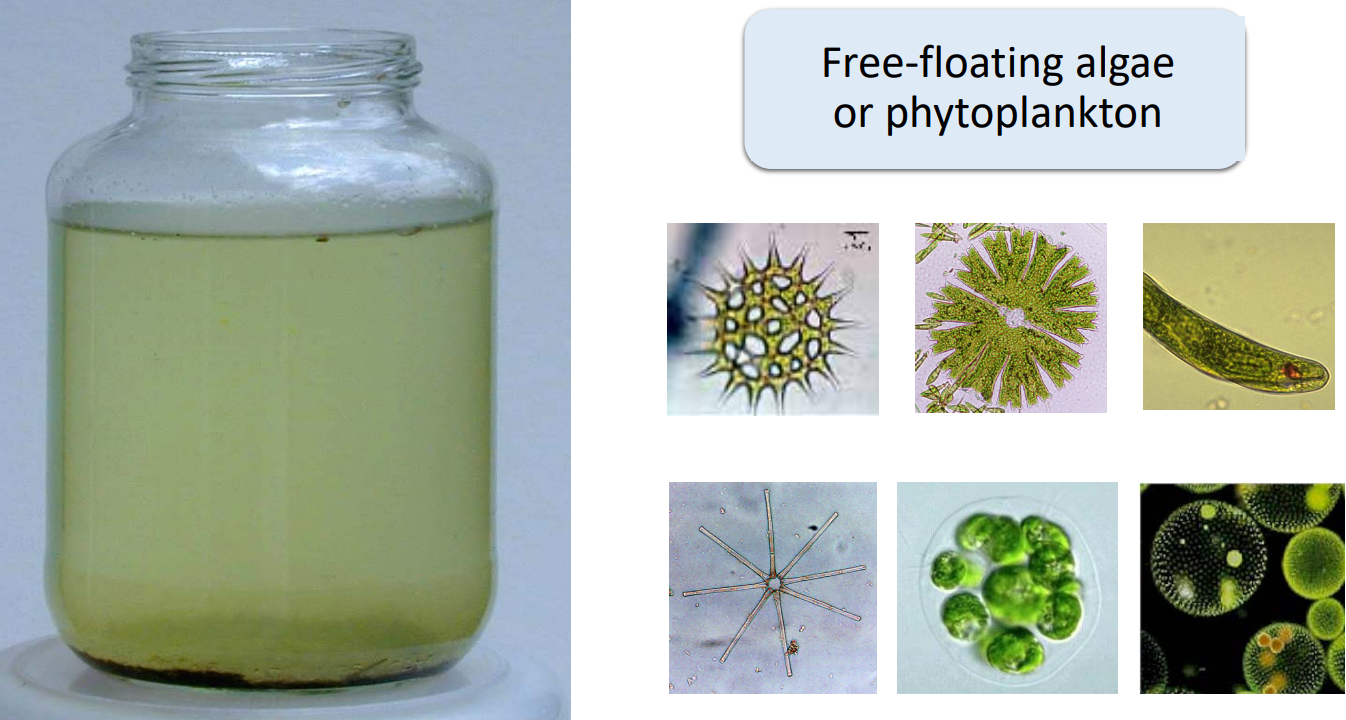
Major Algal Groups
- Free-floating (Phytoplankton): Microscopic algae that drift in the water column. They are the base of the food web but can cause "pea soup" water if overabundant.
- Periphyton: Algae that grow attached to surfaces like rocks, docks, or other plants.
- Filamentous Algae: Often called "pond scum," these form long, hair-like strands that can mat together and float on the surface.
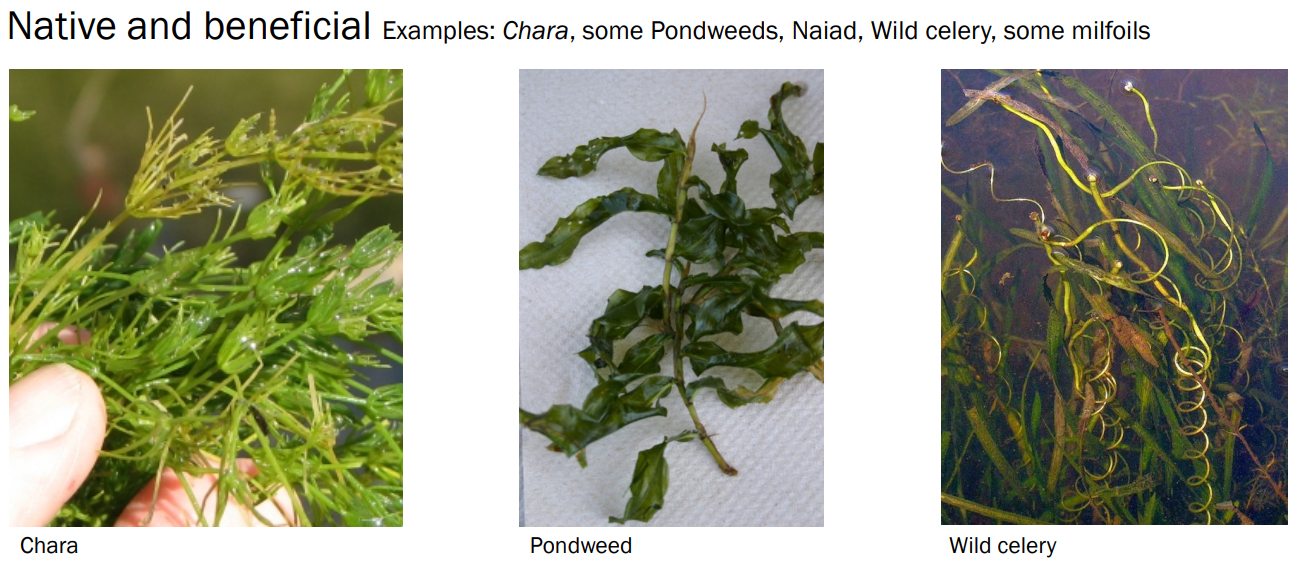
- Macroalgae: These look like rooted plants but are complex algae. Chara (Muskgrass) is often gritty to touch and smells like garlic when crushed. It is highly beneficial as it competes with other algae for nutrients.
The Problem with Cyanobacteria
Cyanobacteria, formerly known as "blue-green algae," aren’t algae at all. They are actually bacteria capable of photosynthesis. They are unique because they can regulate their buoyancy to stay in the sunlight and oxygen rich environment and tolerate higher temperatures than most algae.
In many lakes, they cause significant issues:
- Harmful Algal Blooms (HABs): Some species produce toxins that are dangerous to humans, pets, and livestock.
- Aesthetics and Odors: They form unsightly mats and produce foul, "swampy" smells.
- Ecosystem Disruption: They are not easily eaten by zooplankton, which disrupts the natural food chain.
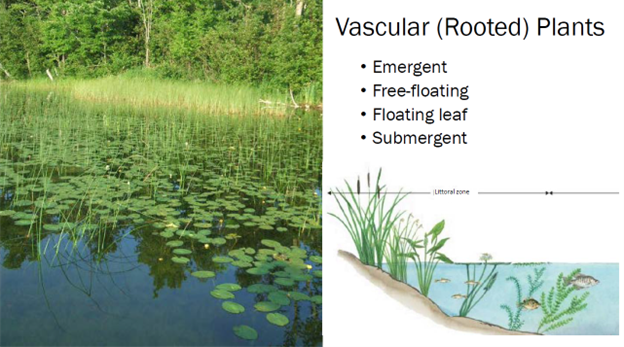
Categories of Vascular (Rooted) Plants
True aquatic plants (macrophytes) are classified based on their growth form and where they reside in the littoral zone (the shallow area near the shore).
- Emergent Plants: Rooted in the lake bottom with leaves and stems extending above the water. These are vital "transition" plants between land and water. Examples include cattails and pickerelweed.
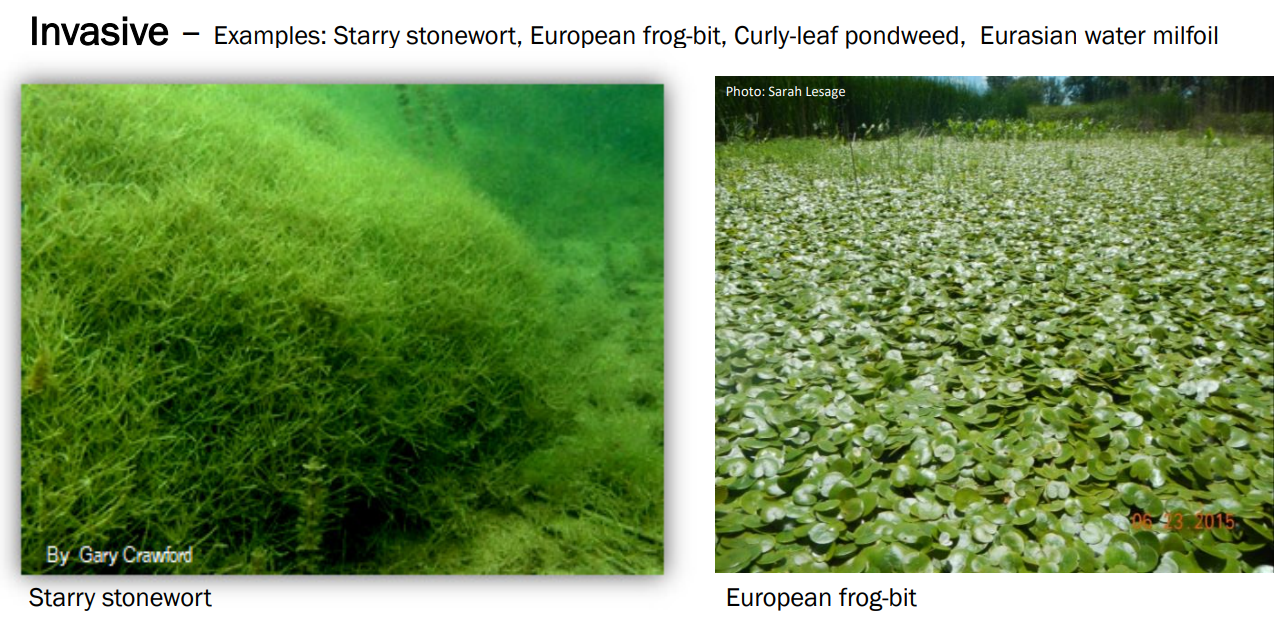
- Free-Floating Plants: These float on the surface and have roots that hang in the water but are not attached to the bottom. Small examples include duckweed, while larger ones include the invasive European frog-bit.
- Floating-Leaf Plants: These are rooted in the bottom, but their leaves float flat on the surface. Water lilies are the most recognizable example. They provide excellent shade and cover for fish.
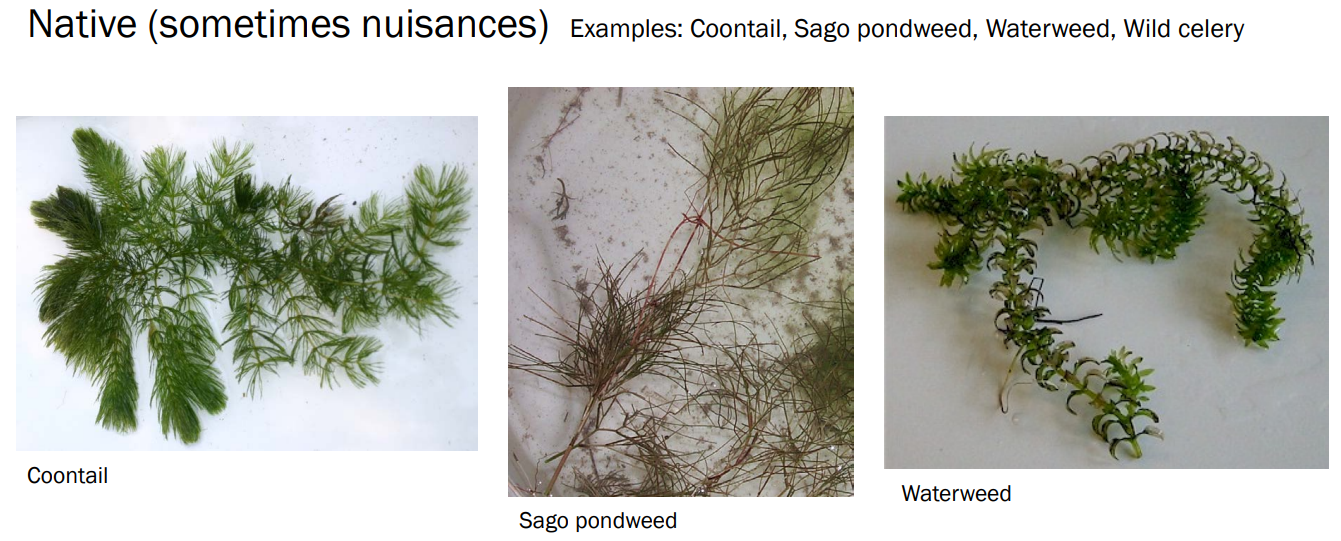
- Submergent Plants: These grow entirely underwater (though some may have small flowers above the surface). Examples include pondweeds, wild celery, and coontail. They are critical for stabilizing the lake floor.
Native vs. Invasive Species
Management Challenge
A major focus of lake management is the identification and control of invasive species, which can degrade a lake's health and property value.
Native and Beneficial Examples
Native plants like Wild Celery, Naiad, and certain Pondweeds are generally welcome.
Even some natives, like Coontail or Waterweed (Elodea), can occasionally become "nuisances" if they grow too densely in a specific area, but they still provide ecological value.
High-Threat Invasive Species
Invasive species are non-native plants that grow aggressively because they lack natural predators.
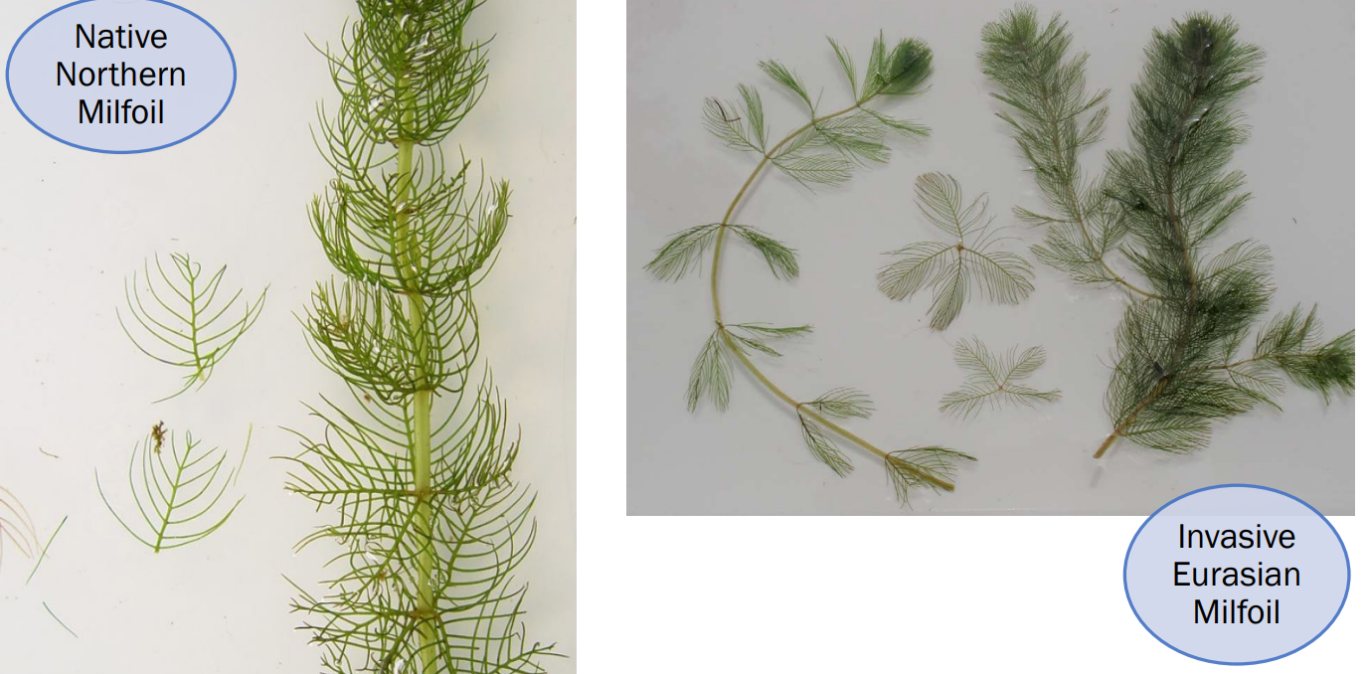
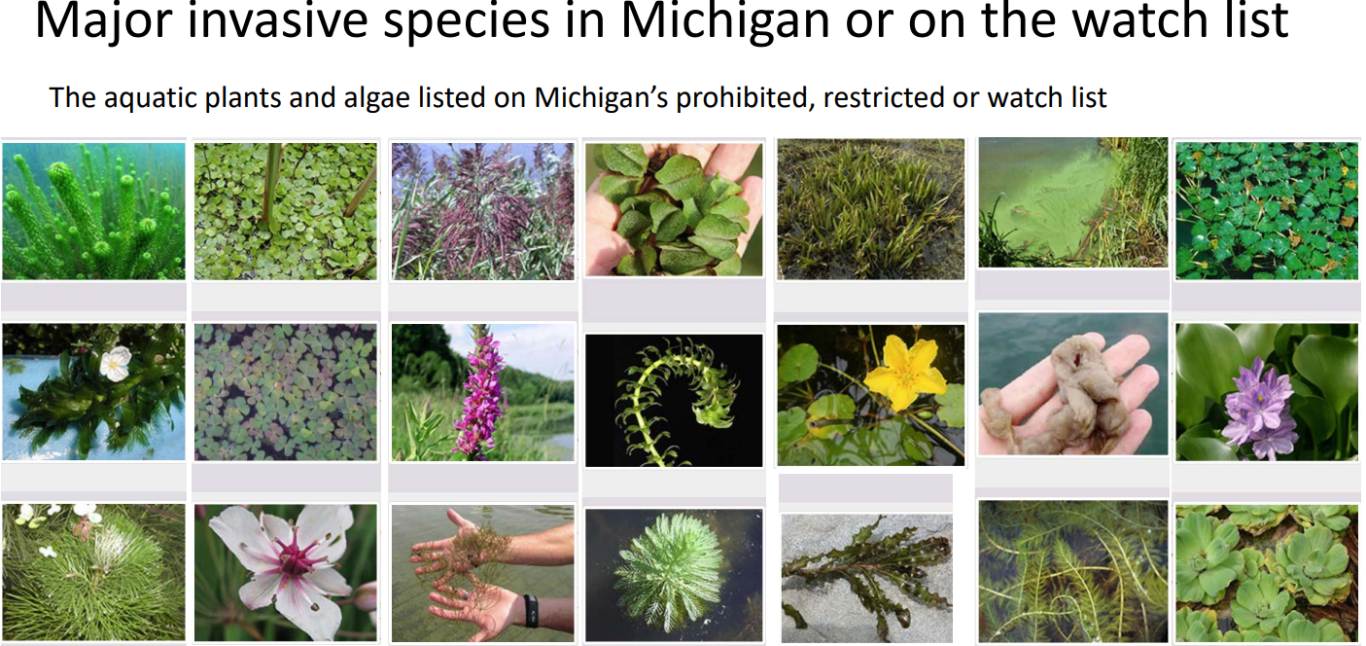
- Eurasian Watermilfoil: A primary threat! Grows rapidly (up to 3 inches per day!) and forms a thick canopy at the surface. Shades out native plants and tangles boat propellers. It can reproduce from fragmentation, where a piece of the plant can separate and become a new plant. That makes harvesting (like mowing the lakebed above the roots) this particular invasive species very difficult and not the first choice for removal. NOTE there is also a native species that provides valuable habitat for fish and invertebrates and does not form nuisance mats!
- Starry Stonewort: An invasive macroalga that forms thick, pillowy mats on the lake floor. It produces star-shaped "bulbils" and can completely fill the water column, preventing fish from nesting.
- European Frog-bit: This free-floating plant creates dense mats that block sunlight and reduce dissolved oxygen, harming aquatic diversity.
- Hydrilla: A highly aggressive "watch list" species. A single square meter can produce 5,000 tubers, making it incredibly difficult to eradicate once established.
Navigating Aquatic Plant Management and Permitting
Managing a lake's vegetation is a delicate balancing act. While plants are essential for a healthy ecosystem, overabundant native "nuisance" plants or aggressive invasive species often require intervention to maintain recreational use and biodiversity. However, because lakes are shared public resources, management is strictly regulated.
The Goal of Integrated Pest Management (IPM)
Effective lake management does not aim for total eradication of all plants. Instead, it uses Integrated Pest Management, which focuses on:
- Identification: Correctly distinguishing between beneficial natives and high threat invasives.
- Monitoring: Mapping where plants grow and tracking changes over time.
- Prevention: The most cost-effective tool. This includes "Clean, Drain, Dry" initiatives for boaters to prevent the spread of fragments and "turions" (overwintering buds).
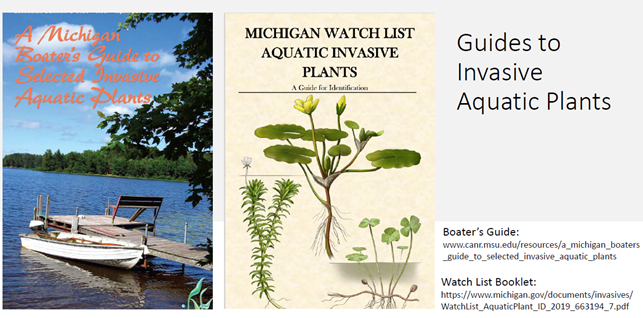
Here’s Some Guidance!
Online Resource Links:
Boater’s Guide: www.canr.msu.edu/resources/a_michigan_boaters_guide_to_selected_invasive_aquatic_plants
Watch List Booklet: https://www.michigan.gov/documents/invasives/WatchList_AquaticPlant_ID_2019_663194_7.pdf
Common Management Methods
There are several ways to manage aquatic vegetation, each with specific pros and cons:
1. Physical and Mechanical Control
- Hand-Pulling: Effective for small areas or early detections of invasive species like European Frog-bit.
- Benthic Barriers: Large mats placed on the lake floor to block sunlight. While effective for swimming areas, they kill all underlying vegetation and can trap gases.
- Mechanical Harvesting: Large machines that "mow" plants. While this provides immediate relief for boat lanes, it can inadvertently spread species like Eurasian Watermilfoil, which reproduces through fragmentation.
2. Chemical Control (Herbicides)
- Contact Herbicides: These "burn" the green vegetation they touch but often leave the roots intact.
- Systemic Herbicides: These are absorbed by the plant and kill it down to the roots. These are often used for persistent invasives like Starry Stonewort or Milfoil.
- Algaecides: Specifically designed to target filamentous algae or harmful Cyanobacteria blooms.
3. Biological Control
- This involves introducing a natural predator, such as the milfoil weevil, to eat specific invasive plants. While environmentally friendly, results can be slow and unpredictable.
Think That’s A Lot?
It’s why PST Lakes Association has a legally permitted Lake Biologist and weed control contractors to help maintain the health and water quality of our lakes and watershed!
The Legal Framework: Why You Need a Permit
In Michigan, the Department of Environment, Great Lakes, and Energy (EGLE) regulates the chemical and physical treatment of aquatic plants. The permitting process exists to:
- Protect Human Health: Ensuring that herbicides used do not contaminate drinking water or harm swimmers.
- Protect the Environment: Preventing the accidental destruction of rare native plants or critical fish spawning habitats.
- Minimize Conflict: Ensuring that one property owner's "cleanup" does not negatively impact their neighbor's shoreline or the lake’s overall health.
When is a Permit Required?
Generally, any time you use chemicals in the water or use mechanical equipment that disturbs the lake bottom, a permit is mandatory. Some small-scale physical removals (like hand-pulling a small area for a swimming hole) may be exempt, but it is always vital to check local and state regulations first.
Community Involvement and Stewardship
Successful management is a community effort. This includes:
- Education: Teaching residents to identify "watch list" species like Hydrilla.
- Collaborative Mapping: Using volunteers to track where invasive mats are forming.
- Shoreline Management: Encouraging "natural" shorelines over seawalls, which can actually increase wave damage and destroy the habitat that supports fish and prevents erosion.
Conclusion
Managing a lake requires a balanced approach. While "seawalls" and total plant removal might seem like a way to keep a beach "clean," they often destroy the very habitats that keep the lake healthy and resilient.
Learning and understanding the difference between a beneficial native plant and a dangerous invasive species is the first step toward effective lake stewardship.